


To make money online without investing, all you need is what you probably already have: a phone, an internet connection and a few free hours a week. What you put in is time, and almost always more of it than the “easy money” ads promise.
Here are 10 real ways that work from the US or the UK, grouped by how they pay: short videos (clipping, editing and UGC for brands), services (social media management, freelance work and online tutoring), quick but small money (usability tests and selling secondhand) and slower projects (digital products and your own content).
For each one, you’ll see what you need to start, how it pays and how long the first payment usually takes, which is exactly what the ads leave out.
Quick summary
- The fastest ways to get paid are selling things you don’t use and taking usability tests, though both pay little and dry up.
- Without an audience, the ways with the most room to grow are services (editing, social media, tutoring) and clipping, which pays for validated results.
- The slowest are digital products and your own content: YouTube doesn’t share ad revenue until you reach 1,000 subscribers.
- If you’re asked to pay to get started, it’s no longer “without investing.” That’s the clearest sign of a scam.
Can you make money online without investing?
Yes, if by “without investing” you mean not paying anything to start. None of the ten ways on this list makes you buy a course or a subscription, but all of them ask for hours of work before the first payout.
Here’s what you do need:
- A phone or a computer, depending on the way you choose.
- An internet connection and a set block of time each day or week.
- A way to get paid: a bank account, PayPal or, on some platforms, a crypto wallet.
- To be 18 or older for many of them. Tikful, for example, only accepts adults.
No upfront cost doesn’t mean no tax. The IRS treats side-gig income as taxable even without a tax form, and HMRC wants to know once your side hustle brings in more than £1,000 a year. The FAQ has the details.
Before you pick among these ways to make money online, look at how each one pays, because that sets the pace. Some pay for your time (gigs and tutoring), others for results (clipping or affiliate links), others for what you sell (secondhand items and digital products) and others depend on an audience that takes months to grow.
The first kind pays sooner. The last kind is slow, but it can grow without you working more hours.
Three ways to get paid for short videos without being famous
Clipping, video editing and UGC let you earn from short videos without followers, as long as you know your way around TikTok, Instagram or YouTube. In all three, you’re selling your work on the video, not your audience.
1. Clipping with creators’ authorized content
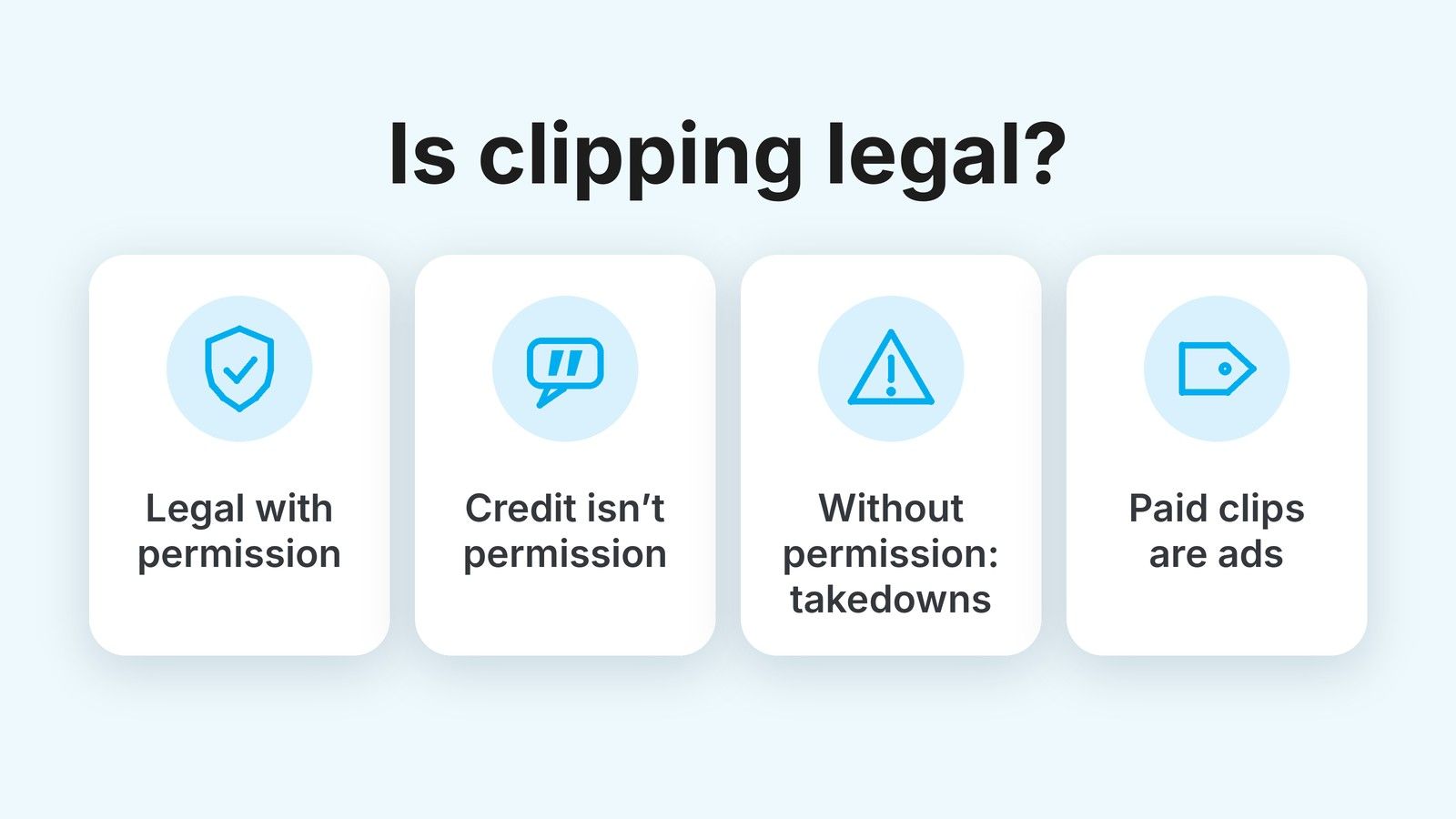
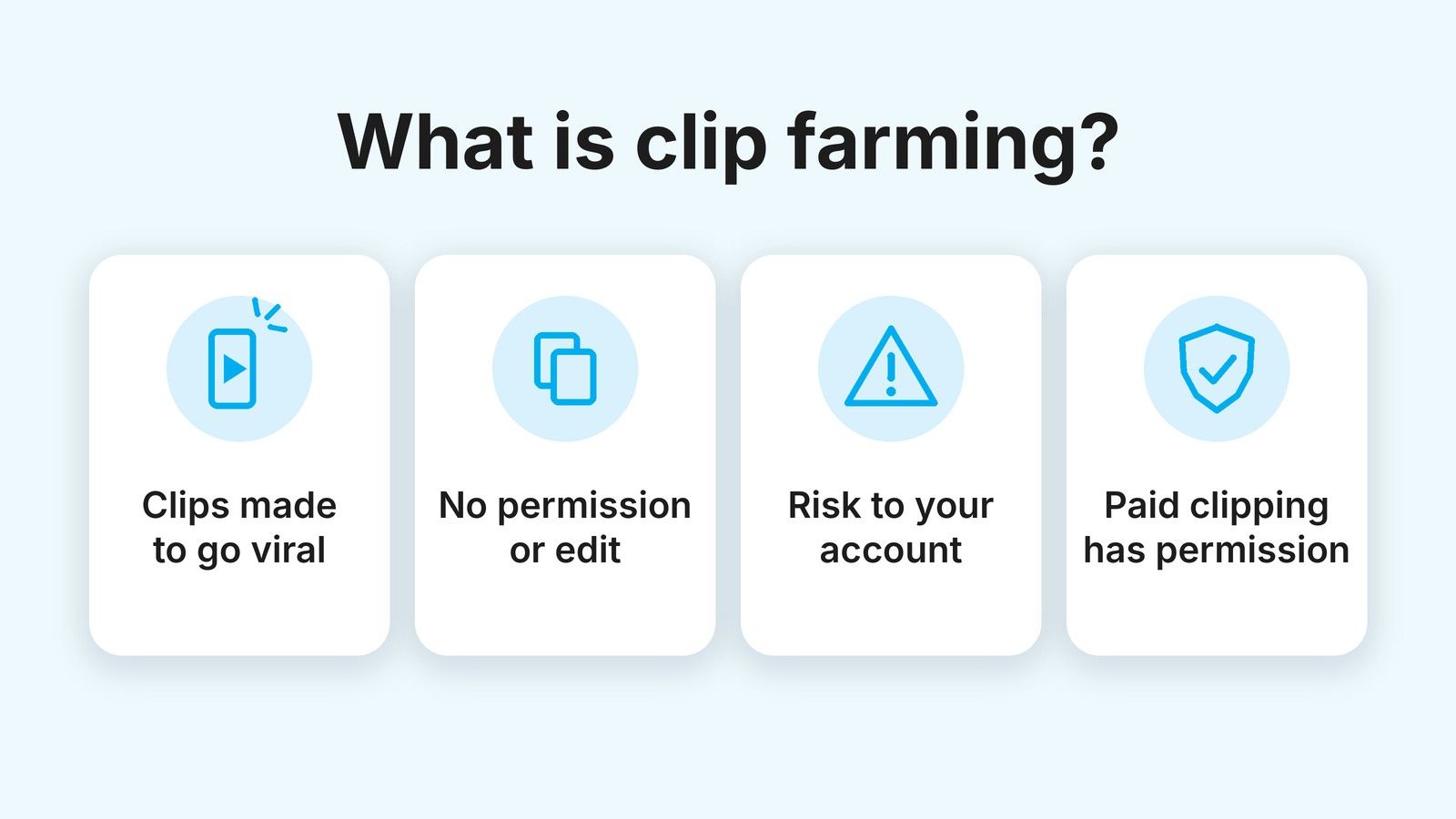
Clipping means cutting moments from content a creator authorizes you to use and posting them as short videos on your TikTok, Instagram Reels or YouTube Shorts accounts. The money comes from the campaign the creator or their agency launches, which sets the rate and decides whether it pays per 1,000 valid views, per new subscriber or both.
It’s one of the few ways here you can start with no audience and without appearing on camera: the material already exists, and you bring the judgment to pick the moment and edit it. If it’s new to you, start with what a clipper does and how a campaign works. On Tikful, campaigns come from OnlyFans creators and agencies.
Not every clip gets paid. Each campaign checks which results meet its rules, including its instructions on links and ad labels, and many set a cap per video. You can only withdraw once your balance reaches the minimum: on Tikful, $100, or $50 for active academy students (the academy is free to join).
Our guide to making money clipping videos works through an example with a per-video cap, so you can see why a viral clip can pay far less than its view count suggests.
2. Video editing for creators and businesses
Editing short videos is a service you can sell as soon as you’re comfortable with an editor. Plenty of creators film more than they have time to cut, and plenty of small businesses want to be on Reels without learning how.
With CapCut, Edits (Instagram’s editing app) or the free version of DaVinci Resolve, you can sell captioned vertical cuts, paid per video or through a monthly retainer for a set number of them.
Two or three before-and-after samples will land your first client faster than any qualification. Turn a long video of your own into three 30-second clips, then send small creators in a niche you know a sample in their channel’s style. It beats waiting to be found, because they see the result before they pay.
3. UGC videos for brands
UGC (user-generated content) means videos you film for a brand to post on its own profiles or run as ads. Since they don’t go out on your account, the brand cares little about your followers: what matters is whether the video hooks people and explains the product well.
This one usually puts you on camera, even if it’s just your hands or your voice. To start without spending anything, film 3 or 4 samples with things you already own (a review, an unboxing, a before and after) and use them as your portfolio.
Each job is paid per delivered video. Get in writing how long the brand can use it in ads, because usage rights have a price too.
Here’s how the three compare:
| Way | How you get paid | On camera? |
|---|---|---|
| Clipping | For validated results: valid views or new subscribers | No |
| Video editing | Per video or monthly retainer | No |
| UGC for brands | Per delivered video | Usually, even if just your hands or voice |
Services you can sell from home with what you already know
Social media management, freelance work and tutoring pay you for your time, which makes them the most predictable options on the list: you do a job and you get paid for it. Your hours set the ceiling, and the hardest part is landing the first client.
4. Social media management for local businesses
Social media management means running a local business’s accounts for a monthly fee, and there’s no shortage of candidates: lots of salons and restaurants have an Instagram nobody has touched in months. The job covers planning, posting, answering messages and checking what works, and the free Meta Business Suite lets you schedule posts on Instagram and Facebook.
Show before you sell. Put together three sample posts with the business’s own photos and offer a first month at a fixed price. If you already edit video or clip, you have an edge, because you know which formats hold attention on Reels.
5. Writing, translation and other freelance work
Writing website copy, translating, proofreading, designing logos or transcribing audio are jobs you can sell online to clients anywhere. Platforms like Upwork, Fiverr or PeoplePerHour bring you those clients for a cut: Fiverr keeps 20% of each order, and Upwork’s fee ranges from 0% to 15%, set for each contract.
A specific, easy-to-compare service (“I write product descriptions for small online stores in 48 hours”) works better than an “I do a bit of everything” profile. Your first reviews carry a lot of weight, so start at a modest price and raise it once you have a few.
6. Online tutoring
If you know a language or a school subject well, you can teach it over video call. Platforms like Preply bring you students so you don’t have to advertise, but they take a big cut: Preply keeps 100% of each new student’s trial lesson and between 33% and 18% of later lessons, depending on how many hours you’ve taught.
The commission-free alternative is finding students yourself, through people you know or local community groups, and getting paid by bank transfer or PayPal. It starts more slowly, but every student who comes back pays you the full price.
Two ways to get paid fast, even if it’s not much
Usability testing and selling secondhand are the fastest ways on the list, the ones to pick if you need to see money within days. They pay little and don’t grow, so use them to get going while you build something that can.
7. Website and app usability testing
Some companies pay to watch real people use their website or app while they think out loud. On UserTesting, one of the best-known platforms, a standard test of 15 to 20 minutes usually pays $10, sent to your PayPal account about two weeks later. Userlytics works in a similar way.
The catch is volume. Screener questions rule most people out before each test, and you never know how many you’ll get in a week. Treat it as extra cash for downtime, not a steady income.
8. Selling things you don’t use on eBay, Vinted or Facebook Marketplace
Selling what you don’t use is the fastest way on the whole list: you take photos, post a listing and can make your first sale within days. Facebook Marketplace works well for local pickup, and fees elsewhere vary:
- Vinted doesn’t charge sellers to list or sell; the buyer pays a fee at checkout.
- On eBay UK, private sellers pay no final value fee when an item sells.
- On eBay in the US, you get 250 free listings a month, but most categories take 13.6% of the sale plus $0.30 or $0.40 per order.
Selling also leaves a record. Since 2024, platforms such as eBay and Vinted report UK sellers with at least 30 sales or about £1,700 (€2,000) a year to HMRC, which says this brings no new tax for online sellers. US marketplaces send a Form 1099-K once you pass $20,000 in more than 200 transactions a year, per the IRS guide to Form 1099-K.
Selling your own clothes for less than you paid usually leaves no profit to tax in either country, but buying things to resell counts as a business.
Its obvious limit is that it runs out. Your closet doesn’t restock itself, so this is good for a first cushion and not much more.
Slow ways that build up over time
Digital products and your own content take weeks or months of unpaid work, but what you create can keep earning after you stop putting hours into it.
9. Templates, guides and other digital products
A digital product, such as a Canva résumé template, a pack of editing presets, a budgeting spreadsheet or a PDF guide, is made once and can be sold many times. On Amazon Kindle Direct Publishing, publishing an ebook is free and royalties are 70% or 35% of the list price, depending on the book’s terms.
The hard part is getting anyone to find it. Without traffic of your own, a product can go months without a sale, so it works better once you have an account or a website to show it on.
And watch out for Etsy: it charges $0.20 per listing, so selling there isn’t entirely investment-free.
10. Your own content with ads and affiliate links
Building your own channel is the slowest way on the list and the one that depends most on an audience. On YouTube, as of October 2026, you can join the Partner Program in the US or the UK with 500 subscribers, 3 public uploads in the last 90 days and either 3,000 watch hours in 12 months or 3 million Shorts views in 90 days.
That first tier only opens fan funding features, such as channel memberships, plus Shopping. Ad revenue takes 1,000 subscribers plus either 4,000 watch hours in 12 months or 10 million Shorts views in 90 days, according to YouTube’s eligibility page.
The bar is about to rise. YouTube has announced changes for 2027: from February 1, new creators applying for ad revenue will need 8,000 watch hours or 20 million Shorts views, while channels already in the program aren’t affected.
TikTok does pay for views in the US and the UK through its Creator Rewards Program, but only from age 18, with 10,000 followers, 100,000 views in the last 30 days and original videos over a minute long. Until then, the usual routes are TikTok Shop affiliate commissions and brand deals, each with its own requirements, as our guide on how to make money on TikTok explains.
Affiliate marketing works the same way on any platform: you earn a commission on sales that come through your links, as with Amazon Associates. Without people who trust your recommendations, those links don’t sell.
And say when you use them. The FTC expects you to disclose any financial relationship with a brand, and the UK’s ASA treats affiliate links as ads that need a clear label.
Which of the ten ways is right for you?
The right one fits how fast you need the money and what you already know how to do. This table sums up all ten by how long the first payment usually takes and what holds beginners back most:
| Way | First payment | Biggest hurdle |
|---|---|---|
| Clipping | Once results are validated and you reach the minimum | Each campaign’s caps and rules |
| Video editing | Weeks | Landing the first client |
| UGC for brands | Weeks | Having to appear on camera |
| Social media management | Weeks | Convincing the first business |
| Freelance work | Weeks | Fees and competition |
| Online tutoring | Days or weeks | Fixed schedules |
| Usability testing | Days | Few tests available |
| Selling secondhand | Days | It runs out |
| Digital products | Months | Attracting buyers |
| Your own content | Months or years | Audience requirements |
If you need money soon, pair a fast way (selling secondhand or usability tests) with one that has more room to grow, like a service or clipping, and give each its own slot in your week. If you don’t want to be on camera, UGC is out and your own content gets harder.
The timelines are rough guides, not promises, and none of these ways guarantees income: they depend mostly on the hours you put in. If clipping makes your shortlist, run a campaign’s numbers in the clipping earnings calculator first.
How to spot an easy-money offer that’s a scam
The most reliable sign of a scam is being asked for money before you’ve earned anything: a sign-up fee, a mandatory course or a “deposit” to activate your account. Anyone who really pays you for work doesn’t charge you for access to it.
One of the most widespread traps right now is the task scam. A stranger messages you on WhatsApp, Telegram or by text, offers you money to like videos or rate products, and pays you a few dollars at first to win your trust.
Then you’re asked to deposit your own money, usually in crypto, to get “better-paid” tasks or to withdraw your earnings, and that money doesn’t come back. The FTC explains how to spot task scams, and its data on these reports show them going from zero in 2020 to about 20,000 in just the first half of 2024.
Other signs that should make you stop:
- They promise a fixed amount per day for tasks that need no experience.
- They contact you first, without you applying for anything, and want to move to private messaging.
- You don’t know who pays or why: there’s no company you can identify and no written terms.
- They ask you to receive money in your account and send it on to another. That’s acting as a money mule, a crime in both the US and the UK.
A real offer works the other way around: it shows you the terms before you put in any time and tells you who pays and how you withdraw. On Tikful, for example, signing up is free and every campaign shows its rate and caps before you join.
Scam or real offer? A quick check
Red flags: you pay to start, you get paid for likes, or you’re asked to move money between accounts.
Signs of a real offer: you can read the terms before you start, and you know who pays you.
If you’ve already fallen for one, contact your bank right away and report it. In the US, use the FTC’s ReportFraud site. In England, Wales and Northern Ireland, go to Report Fraud, which replaced Action Fraud, and in Scotland call Police Scotland on 101.
Pick one way and give it two weeks before you switch
Trying five side hustles at once is the fastest way to get paid for none of them, so pick one with the table and block out a fixed slot. An hour a day is enough to start.
Write down what you do and what it brings in, and in two weeks you’ll know whether it’s worth sticking with.
If short video is your thing and you’d rather stay off camera, clipping is the most direct way to start making money online without investing: open your clipper account, which is free and for adults only, and read the first campaign’s terms before you post anything. The step-by-step sign-up guide walks you through it.
And if you’d rather learn with support, the Tikful academy is free, taught by instructors and adds 25% to what you earn per view as long as you keep up your attendance. The classes are in Spanish for now.